Some stories are remembered because of the tragedy that began them. Others deserve to be remembered because of the life that continued afterward. Ahad Israfil’s story belongs to both categories. At just fourteen years old, he suffered a devastating head injury that left doctors uncertain whether he would survive. Yet, against overwhelming odds, he lived for more than three decades after that terrible day, showing a strength that could not be measured by medical reports or physical appearance.
Ahad’s journey was not simply a story about a remarkable medical survival. It was also a story about family, perseverance, dignity, and the importance of seeing the person beyond the injury.
A life changed in a single moment
In 1987, Ahad was a fourteen-year-old boy living in Dayton, Ohio. Like other teenagers, he was at an age when life was supposed to be opening up before him. There were years of growing, learning, discovering interests, and imagining what adulthood might bring.
But an unimaginable tragedy changed the course of his life.
Ahad suffered a gunshot wound to the head that caused extensive damage to his brain and skull. The injury was so severe that the medical professionals treating him faced an extraordinary challenge. His condition was critical, and his chances of survival appeared uncertain.
Emergency surgeons rushed to save his life. The operation lasted approximately five hours, as doctors worked under immense pressure to address the devastating damage.
For Ahad’s family, those hours must have been filled with fear and uncertainty. Waiting for news about a child whose life hangs in the balance is an experience no parent should ever have to endure. Every passing minute brings another question, another worry, and another desperate hope that the next update will offer a reason to believe.
After the operation, Ahad remained in a critical condition. His family was told to prepare for the possibility that he might not survive.
Yet Ahad continued fighting.
The survival that surprised everyone
Against the grim expectations surrounding his condition, Ahad survived.
His survival was only the beginning of a long and difficult journey. Recovering from such a devastating injury required time, patience, and determination. The damage to his brain was extensive, and the consequences would remain with him throughout his life.
Nevertheless, Ahad gradually recovered much of his ability to think and communicate. His progress represented a remarkable achievement after an injury that could easily have ended his life.
His recovery was not a simple return to the life he had known before. The injury left him with lasting disabilities, and he used a wheelchair. Everyday activities and personal independence presented challenges that many people never have to consider.
Still, Ahad’s life continued beyond the hospital room and the dramatic circumstances of his survival.
His story reminds us that recovery does not always mean returning to the person someone was before an accident. Sometimes, recovery means learning to live with permanent changes, finding new ways to communicate, adapting to different circumstances, and discovering that a meaningful life remains possible even when the future looks nothing like the past.
There is courage in surviving a devastating injury. There is also courage in facing the ordinary days that follow, particularly when those days bring challenges that others may never fully understand.
Living with a visible reminder of the injury
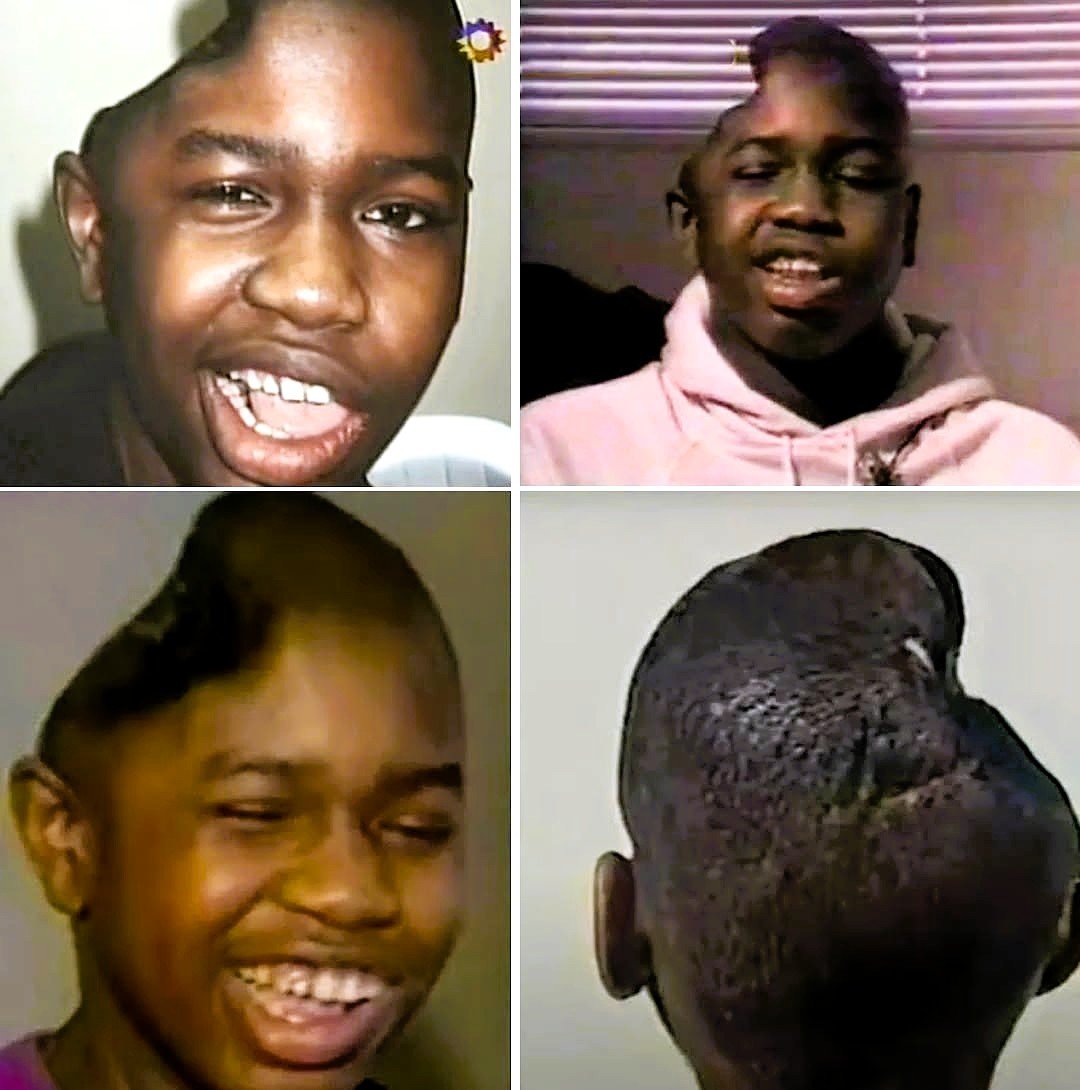
One of the most significant physical consequences of Ahad’s injury was the loss of a large section of his skull.
For years, the missing portion changed the contour of his head and affected his appearance. It was more than a physical difference. Living with such a visible reminder of a traumatic experience could also affect how a person felt about himself and how comfortable he felt around other people.
Society often places enormous importance on appearance. People who look different can face unwanted attention, intrusive questions, and judgments from strangers who know nothing about their experiences.
For someone who had already endured a life-threatening injury and its lasting consequences, those additional pressures could make an already difficult journey even harder.
Ahad’s experience highlighted an important distinction: surviving a medical emergency does not automatically resolve every physical or emotional challenge that follows. A person may be grateful to be alive while still struggling with the lasting effects of an injury.
Both realities can exist together.
Ahad deserved to be seen as more than the dramatic circumstances that had changed his appearance. He was a person with feelings, memories, relationships, and a life that continued long after the headlines faded.
The surgeon who helped restore his appearance
Years after the original injury, reconstructive surgeon Dr. James Apesos became part of Ahad’s story.
The surgeon developed a custom silicone implant designed to restore the missing contour of Ahad’s head. The procedure addressed the visible deformity left by the injury and helped reconstruct the shape of his skull.
It is important to understand what the reconstruction accomplished. The implant restored the external contour of the affected area; it did not replace the brain tissue Ahad had lost or reverse the neurological damage caused by the gunshot wound.
Even so, the procedure represented a meaningful step for someone who had spent years living with a major physical difference.
Reconstructive surgery can serve purposes beyond changing a person’s appearance. Depending on the circumstances, it may help restore physical contours, improve comfort, and support confidence. For patients who have endured traumatic injuries, these changes can become an important part of their personal journey.
When Ahad was asked how he felt after seeing the result, his response was simple and powerful.
“I felt great.”
Those three words conveyed a feeling that lengthy medical explanations could never fully capture. After years of living with the visible consequences of a devastating injury, Ahad was pleased with the result.
His response was not a declaration that every difficulty had disappeared. Rather, it offered a glimpse of a moment when something that had weighed on him had finally changed for the better.
Sometimes, the significance of a medical achievement is best understood by listening to the person whose life it touches.
Sharing his story with the world
Ahad later shared his experiences on television, allowing audiences to hear directly from the person behind an extraordinary medical story.
His appearance gave viewers an opportunity to learn about the severity of his injury, the challenges of his recovery, and the reconstructive work that helped restore the shape of his head.
Stories like his can inspire admiration for medical professionals and the advances that make complex reconstruction possible. They can also encourage people to think more carefully about disability, appearance, and the assumptions they make about others.
But there is a responsibility that comes with telling stories of survival.
It is easy to focus exclusively on the shocking details: the teenager who suffered a catastrophic injury, the operation that lasted hours, the missing section of his skull, and the surgeon who helped reconstruct it.
Those details explain why Ahad’s experience attracted attention. They do not tell us everything about the person who lived through it.
Behind the medical history was a human being who continued living, communicating, experiencing emotions, and sharing his story. His identity could never be reduced to a single terrible event.
The most meaningful way to remember him is to acknowledge both the extraordinary circumstances he survived and the ordinary humanity that those circumstances could never take away.
A mother’s memories of her son
Ahad’s story reached its final chapter on October 18, 2019, when he died at the age of 47.
He had lived for more than three decades after the injury that nearly claimed his life. His survival was extraordinary, but his death also reminds us that even remarkable stories are ultimately about real people whose lives matter beyond the events that make them known.
For his mother, Khadijah, the memories of her son were not limited to hospital rooms, medical procedures, or the injury that changed everything.
She remembered a photograph displayed on her refrigerator. In that picture, Ahad was smiling.
That small detail offers a deeply personal perspective on his life. To the outside world, Ahad might have been remembered as the teenager who survived an almost unimaginable head injury. To his mother, he was her son: someone whose smile could brighten a photograph, someone who had endured pain, and someone whose life meant far more than the circumstances of his survival.
Khadijah acknowledged what he had suffered while also recognizing the strength he had shown.
“He had a good life,” she said.
Her words offer a different way of looking at Ahad’s journey. They do not erase his hardships or suggest that disability made his life easy. Instead, they reflect a mother’s understanding that suffering was only one part of her son’s experience.
A difficult life chapter does not necessarily define an entire life. Pain can be real without being the only thing worth remembering. And a person can face extraordinary challenges while still creating memories that loved ones treasure long after they are gone.
For Khadijah, that photograph was not simply a reminder of what her son had survived. It was a reminder of Ahad himself.
Remembering the person, not just the injury
Ahad Israfil’s story leaves us with an important question: When we remember someone because of the extraordinary thing they survived, how much of their actual life do we overlook?
Medical achievements deserve recognition. Stories of resilience can offer hope, and accounts of complex injuries can help people appreciate the skill and dedication of those who provide care.
But the person at the center of the story deserves more than admiration for surviving.
People living with disabilities are not merely symbols of courage. They are individuals with personalities, relationships, preferences, frustrations, hopes, and experiences that cannot be fully understood from a photograph or a headline.
Their lives do not have to follow a conventional path to possess meaning. Nor should their value depend on how dramatically they overcome hardship.
Ahad survived a devastating injury at fourteen. He endured lasting disabilities, experienced the challenges of living with a visible physical difference, and later benefited from reconstructive surgery. He also shared his experiences with others and remained a beloved son whose smile stayed in his mother’s memory.
All these details belong to his story.
Perhaps the most important lesson is not simply that Ahad survived against the odds. It is that his life continued to have meaning long after the moment that first brought him to the attention of the world.
When we remember Ahad, we should remember the teenager who faced an uncertain future, the man who adapted to life after a life-changing injury, and the son whose mother treasured a photograph of him smiling.
Above all, we should remember that there was a whole person behind the extraordinary medical story.
And sometimes, the most powerful part of a person’s legacy is not what they endured, but the love and memories they left behind.